This time, we’re heading to Galicia.
The Atlantic part just above Portugal. This is the green part of Spain. The soil is almost entirely granite and it rains even more than it does here (except last year 🙈)!
Enter Rodri Méndez, from a family of winemakers and ironworkers, known for building steel cages for oyster farming and other shellfish in the fjords (or “Rías” in Spanish) of Galicia.
He named his winery after that craft: “Forjas del Salnés”, or “the blacksmiths of the Salnés region.” Over the past 20 years, Rodri has become one of the biggest names in the region.

Not just for white wines! He also produces some very Atlantic and highly rated reds, with the help of (yes, him again!) Raúl Pérez.
Galicia is also a region where vineyards are extremely small. The area is fragmented to the extreme — owning 1 hectare is already a big deal. This is due to inheritance laws requiring land to be equally split between all children.
To give you an idea: our biggest producer in the region, Pazo Señorans, works with over 300 different vineyard owners to source grapes. Hopelessly fragmented!
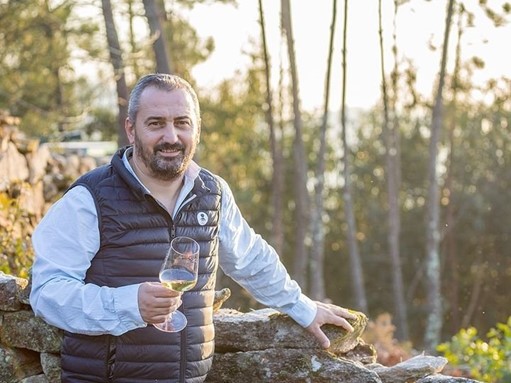
Rodri’s production is minimal. Even of his entry-level white, Leirana, he barely makes 30 to 50,000 bottles, depending on the vintage.
In addition to his family estate Forjas del Salnés, Rodri also produces a few wines under his own name: “Rodri Méndez”. And here, production is even smaller…
Today, we're presenting the two flagship cuvées from each of these two projects.
There are barely 100 bottles of each, so we've packed them into 30 sets of 3 bottles of each. This seems like the fairest way to give everyone a chance to taste them and secure a few for the cellar.
These are true must-haves. Two Spanish Atlantic whites that stand at the very top of their category.
Both received a score of 95/100 ¡
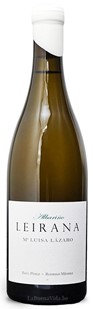
Yes, 2019!
This is only the third vintage ever made: the previous ones were 2005 and 2013!
A wine with great depth and ageing potential.
Wonderful minerality from its granite soils.
Aged in large wooden foudres for extra fullness and roundness.
Outstanding terroir and complexity!
The name is a tribute to his grandmother.
The second wine is from his small side project under his own name.
The entry-level wine is Cíes, but here we’re talking about his top cuvée: Sálvora, which is not produced every year.
 An old pre-phylloxera vineyard in Meaño with a total production of barely 2,000 bottles.
Where María Luisa Lázaro shows roundness, Sálvora offers verticality and salinity.
The soil is a mix of granite and limestone. Very “Chablis-like”.
This is also the penultimate vintage.
2023 will be the final vintage — the vineyard was expropriated for a road. A real tragedy…
Two brilliant Albariños to taste side by side.
Taste and learn!